







Published: 10 November 2026
The UK government has asked households to be able to cope for three days without everyday services such as power, water or phones. An official “be ready” checklist was published on Thursday 22 October, and in the days that followed some shops reported shortages of tinned food, bottled water, torches and radios. This guide explains what the advice says, why it was issued and how to follow it without stripping the shelves.
What the government is asking you to do
According to The National’s report of the launch, the guidance was posted on a government website alongside a written ministerial statement to Parliament by Security Minister Dan Jarvis. Households are asked to be self-sufficient for three days in an emergency. The online checklist includes:
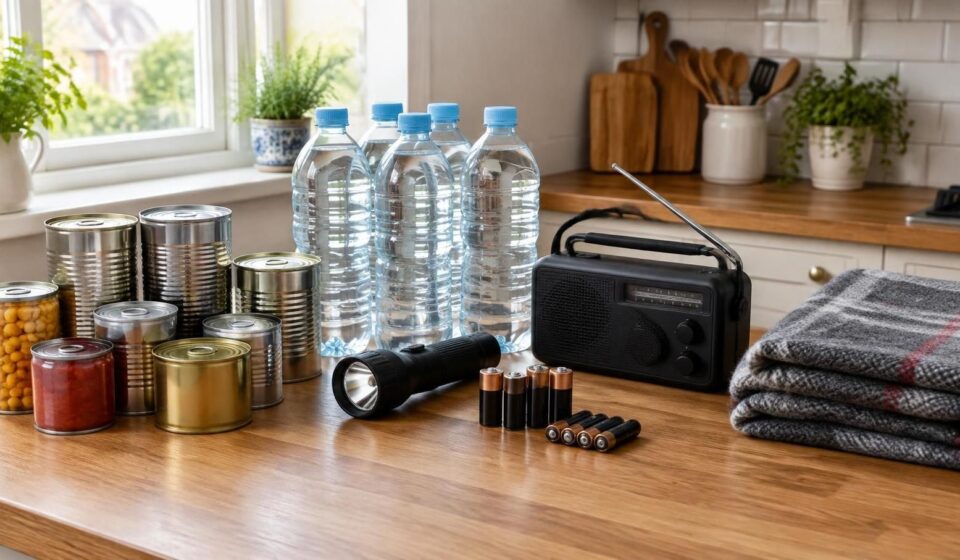
- Three days’ supply of bottled water and non-perishable food
- Hand sanitiser, a torch, batteries and a radio
- Cash and copies of important documents
- Blankets and warm clothing
People are also encouraged to sign up for government support and information.
Why the government says it is needed
Mr Jarvis pointed to last winter’s storms and this summer’s wildfires as examples of severe weather disrupting phones, power, water and the internet. Reports also placed the campaign against a wider set of risks, including drought, flooding and hostile activity from Russia and Iran. Defence Secretary Wes Streeting said the public should be prepared for supply-chain disruption caused by hostile states or terrorists, but wanted people to be “alert but not alarmed”. He later told the BBC that keeping a few everyday items at home helps households prepare for flooding, power cuts or burst pipes. Mr Jarvis said the three-day message brings the UK in line with many European countries. The wider security picture, including Iran, is explored in our report on the Iran war and Britain.
What happened in the shops
In a follow-up report on 27 October, Reuters-sourced coverage said tinned food, bottled water, radios and batteries had been running out. Iceland reported a 40% jump in tinned food sales, and Ocado said several types of water were unavailable. Maplin said torch sales nearly quadrupled and radio sales almost doubled within three days, while Preppers Shop UK reported a 650% increase in “off-grid” items. The report noted that the advice came shortly before two storms hit the UK, when sales of such goods usually rise anyway, so not all of the increase can be put down to the campaign.
The British Retail Consortium had earlier warned that panic buying is easy to trigger, particularly when people are told to buy a specific product. Memories of March 2020 remain fresh, when supermarkets urged shoppers to buy only what they needed.
How to prepare sensibly
These are general suggestions rather than official instructions, so check the government’s own checklist first.
- Build up gradually. Add a few extra items each shop instead of buying everything at once.
- Choose food you will eat. Rotate tins and dry goods so nothing goes out of date.
- Think about your household. Babies, older relatives, pets and anyone with medical needs may need specific supplies.
- Ask a pharmacist about medication. Do not stockpile prescription medicine on your own.
- Leave some for others. The aim is three days of cover, not a full cupboard for months.
The politics behind the timing
Bloomberg reported that the campaign had been planned earlier in the year under Keir Starmer, but Andy Burnham delayed it over concerns it could look too pessimistic at the start of his premiership. It arrived days before the Budget, in which Chancellor John Healey weighed defence spending against other priorities. The Budget’s energy measures are covered in our guide to the January energy price cap, and you can follow the wider debate in Politics.
Quick answers
How much should I keep? The government’s advice is enough to be self-sufficient for three days.
Is the UK facing a specific emergency? The government has pointed to severe weather and hostile activity as general risks. It has not announced a specific imminent event.
Where can I find the official checklist? Search for the UK government’s “Be Ready” guidance on GOV.UK.